
On 27 December 2013, British adventurer Maria Leijerstam became the first person to cycle to the South Pole. Starting at the edge of the Ross Ice Shelf, she covered 638 kilometres in 10 days, 14 hours and 56 minutes.
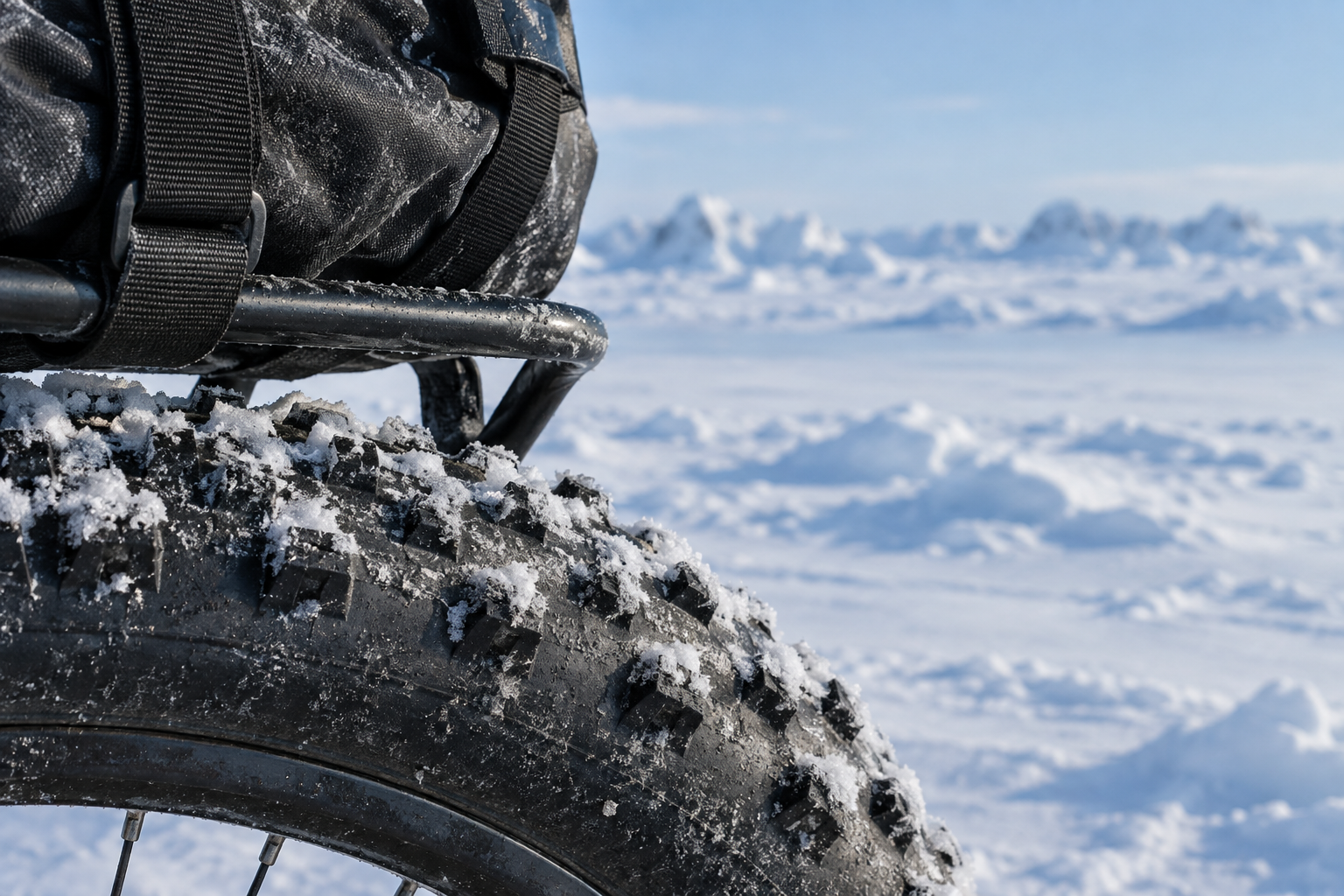
ICE built her Polar Cycle. The recumbent position and three wheels were deliberate choices: on an earlier ride across Lake Baikal, strong winds had repeatedly knocked her off a two-wheeled bicycle. The polar machine used fat tyres and exceptionally low gearing.
She began carrying all her equipment, but later accepted support. Knee problems and slowing progress prompted a change of plan; Arctic Trucks subsequently transported food and camping equipment. The journey was therefore a supported expedition.
Preparation took four years and included cold-weather training. Her achievement shows how an expedition combines physical endurance with suitable equipment and the willingness to revise an original plan.